


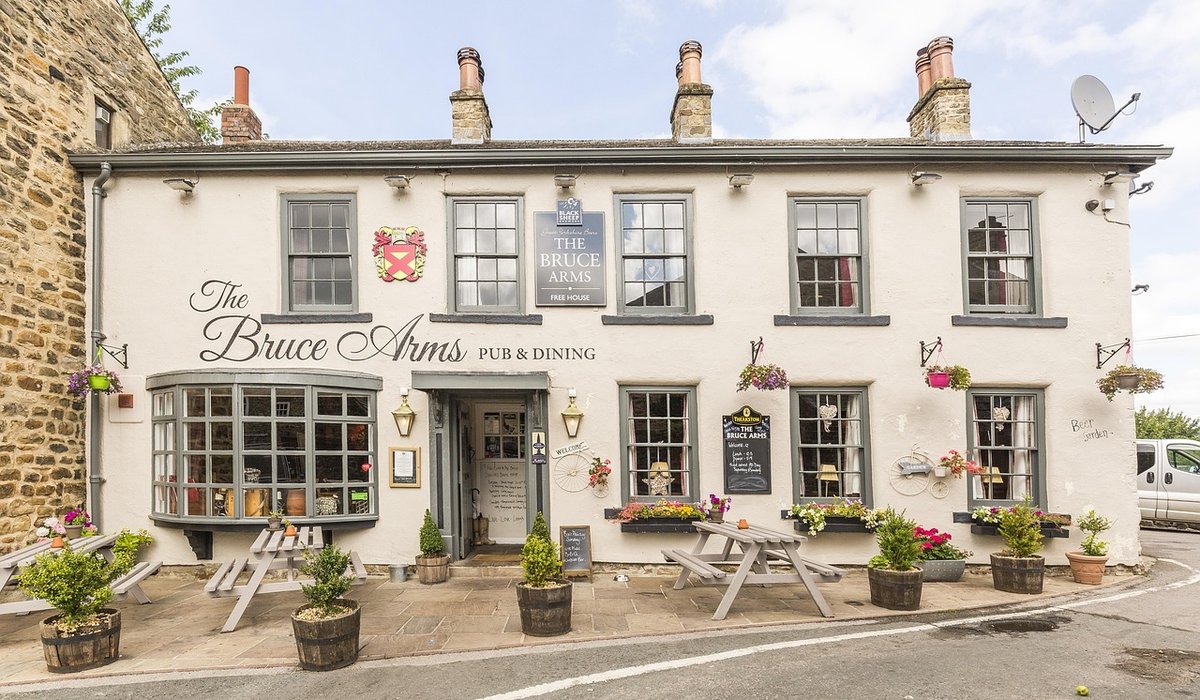
Why Pub Borders Need Tough, Fragrant Plants
A pub border is not a quiet cottage garden. It faces spilled pints, cigarette ends, the occasional football, dogs on extendable leads, and the tramp of dozens of feet. It might sit against a south-facing wall that bakes in July, or a shaded corner that stays damp until April. The plants you choose must tolerate all of this while still looking welcoming. That is why rosemary, lavender, and nasturtiums are such reliable choices. They are hardy, need little fuss, and give back far more than they demand — scent, colour, and in some cases, something for the kitchen.
This is not about creating a Chelsea show garden. It is about planting a border that softens the edge of a busy outdoor space, smells wonderful on a warm evening, and survives the reality of pub life. Get the basics right and these plants will settle in for years.
Rosemary: The Workhorse of the Pub Garden
Rosemary is the backbone of any pub border. It is evergreen, drought-tolerant once established, and its piney scent drifts across a beer garden in a way that feels instantly familiar. It also pairs beautifully with traditional pub food — a sprig under a roast lamb, or chopped into a stuffing for pork. A pub that grows its own rosemary has a quiet edge over one that does not.
For borders, choose upright varieties such as 'Miss Jessopp's Upright' or 'Tuscan Blue'. They form a neat, bushy shape that won't sprawl over the pavement. Plant them in full sun and well-drained soil. If your border is heavy clay, dig in plenty of horticultural grit before planting. Rosemary hates wet feet, especially in winter. Space plants about 60cm apart — they will fill in, but they need air around the base.
Pruning is simple: trim lightly after flowering in late spring or early summer. Avoid cutting into old, bare wood, as it rarely regrows. A quick tidy keeps the plant dense and stops it from becoming leggy. In return, you get a shrub that shrugs off coastal winds, poor soil, and the occasional careless pint.
Lavender: Scent and Structure for Sunny Spots
Lavender brings a different kind of magic. Its silver foliage and purple spikes look sharp against a stone wall or a wooden bench, and the hum of bees on a July afternoon is one of the great pleasures of a British pub garden. It is also tough, provided you give it the two things it craves: sunshine and sharp drainage.
English lavenders — 'Hidcote' and 'Munstead' — are the best choices for pub borders. They are compact, hardy, and intensely fragrant. Plant them in full sun, at least six hours a day. If your border is shaded, lavender will sulk and die. Prepare the soil with grit and a little garden compost, but do not overfeed. Rich soil makes lavender floppy and short-lived.
After flowering, usually in late August, shear the plants back by about a third. Do not cut into the old wood. This keeps them bushy and stops them from splitting open in winter. Lavender also works well as a low hedge along a pub terrace, releasing its scent when brushed against. A few stems in a jug on the bar add a quiet touch of class.
Nasturtiums: Colour, Punch, and a Peppery Snack
Nasturtiums are the cheerful rogues of the pub border. They scramble, trail, and self-seed with abandon, covering bare ground with round leaves and bright flowers in shades of orange, red, and yellow. They are also edible. The leaves and flowers have a peppery kick that lifts a bowl of salad or a plate of cold ham — a proper pub lunch addition that costs nothing.
For borders, choose compact varieties like 'Tom Thumb' or the dark-leaved 'Empress of India'. They prefer poor soil; rich soil gives you masses of leaves and few flowers. Sow seeds directly where they are to grow in late May, after the last frost. They need little water and no feeding. In fact, the worse the soil, the better they flower.
Nasturtiums will die back at the first frost, but they usually leave behind a scattering of seeds that will sprout next spring. Let them wander among rosemary and lavender. They fill gaps quickly and bring a relaxed, slightly unruly charm that suits a proper British pub.
Planting and Aftercare for Busy Outdoor Spaces
Getting these plants established is straightforward, but a few practical details make all the difference in a busy pub garden.
- Plant in spring or early autumn. This gives roots time to settle before summer crowds or winter wet.
- Improve drainage. For rosemary and lavender, mix grit into the planting hole. For nasturtiums, do nothing — they like it rough.
- Water deeply but infrequently. Once established, these plants are drought-tolerant. A soak every ten days in a dry spell is plenty.
- Mulch with gravel. A layer of horticultural grit around the base of rosemary and lavender keeps leaves dry and deters weeds.
- Protect young plants. A few twiggy sticks around new growth will stop dogs and boots from crushing them before they bulk up.
- Prune at the right time. Rosemary after flowering, lavender in late summer, nasturtiums whenever they look tired.
None of these plants need feeding. In fact, too much richness makes rosemary soft and lavender short-lived. The only regular job is a quick tidy in late summer and a check for rosemary beetle — a metallic-green pest that can strip foliage. Pick them off by hand or leave them for the birds.
A pub border planted with rosemary, lavender, and nasturtiums asks almost nothing of the landlord and gives a great deal back. It scents the air, feeds the bees, brightens a pint, and even contributes to the kitchen. Best of all, it survives the rough and tumble of a proper British pub garden — no fuss, no drama, just hardy plants doing what they do best.


Leave a reply