


Why the Pint in Front of You Tells a Story
In a proper British pub, a pint of real ale is never just a drink. It is a small report on the cellar, the landlord, and the care taken from delivery day to the moment the hand pull comes forward. Cask ale is a living product. Once the cask is tapped and vented, it has a limited window in which to show its best. A well-kept pint tells you that someone has been paying attention: checking temperatures, cleaning lines, tasting regularly, and not leaving a cask on sale a day too long. The good news is that you do not need to be a brewer to spot the difference. Your eyes, nose, and first sip will tell you most of what you need to know.
The Head: Tight, Creamy, and Standing to Attention
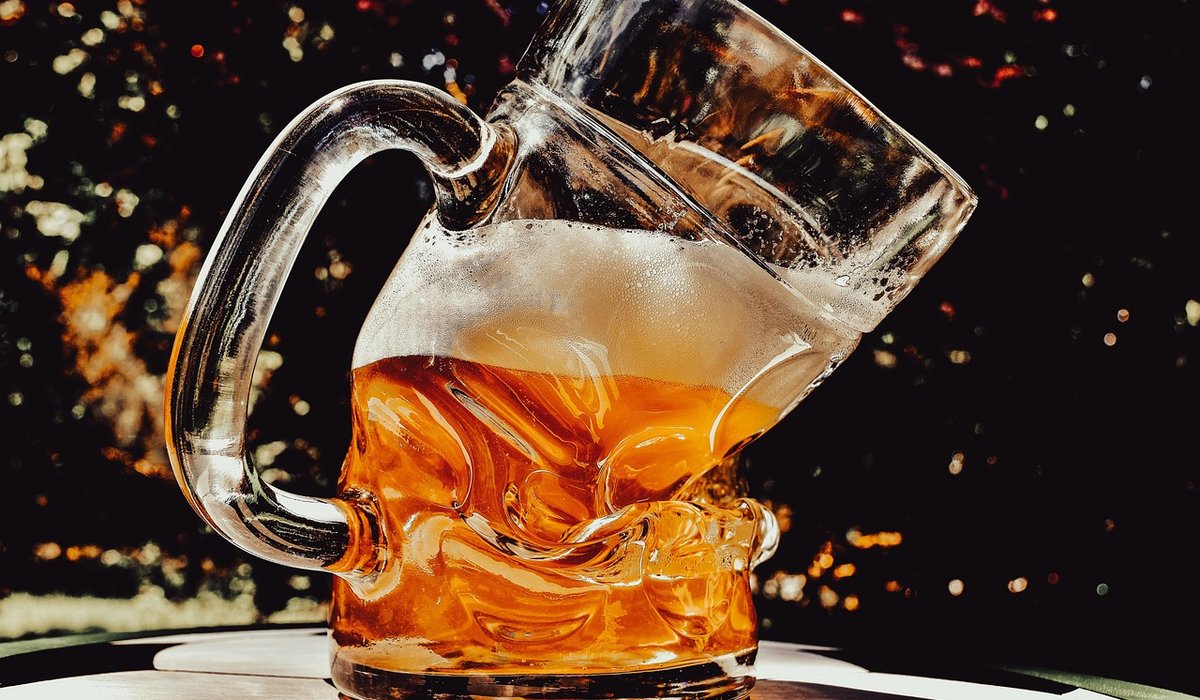
A good head on a real ale is not a decorative afterthought. It should be tight and creamy, with fine bubbles rather than large, soapy ones. In the North, a sparkler may give a denser, more mousse-like head; in the South, you may get a thinner, more natural collar. Both can be correct. What matters is that the head lasts. It should leave a trail of lace down the glass as you drink, not collapse into a flat, sad ring within a minute.
Look for a head that sits proud of the beer without being a mountain of foam. If it is fizzing like lemonade, the beer may be too young or served too cold. If there is almost no head at all, the cask may be tired, the glass may be greasy, or the lines may need attention. A clean glass is essential. Bubbles clinging to the side of the glass before you have taken a sip often mean detergent residue or lipstick traces, and that will kill the head before you start.
Clarity and Condition: Brightness in the Glass
Most traditional real ales should be bright. That means clear, not cloudy, unless you are deliberately drinking a wheat beer, a hazy pale, or an unfined cask ale that is meant to be softly opaque. For a standard bitter, best bitter, or mild, haze is usually a warning sign. It can mean the cask has been disturbed, served too warm, or is coming to the end of its life. A slight chill haze is possible, but a pint that looks like dishwater is not a pint you want to linger over.
Condition is about carbonation and mouthfeel. Real ale should have a gentle, natural liveliness, not the sharp prickle of a keg beer. It should feel soft and integrated in the mouth. If it is flat and lifeless, the cask may have been open too long or vented badly. If it is fizzy and aggressive, it may have been served too cold or gassed up. The sweet spot is a quiet, steady condition that carries the flavour without shouting over it.
Aroma and First Sip: Freshness You Can Smell
Before you drink, take a moment. A fresh real ale should smell of malt, hops, and fermentation in a clean, appetising way. You might get biscuit, toffee, citrus, pine, or earthy English hops. What you should not get is vinegar, wet cardboard, cooked vegetables, or a harsh sulphur note. Those are signs of age, oxidation, or poor cellar hygiene. A buttery or butterscotch aroma can mean diacetyl, which some beers carry deliberately but which often signals a fermentation problem in a standard bitter.
The first sip should confirm the promise. The flavour should be balanced, with a clean finish and no lingering sourness. If the beer tastes tired, flat, or sharply acidic, do not suffer in silence. A good pub will want to know. Return it politely and ask for a fresh pull from a different cask. That is not making a fuss; it is quality control, and any landlord who cares about real ale will respect you for it.
The Cellar’s Quiet Craft: Temperature, Lines, and Turnover
Cellar management is where the magic happens. Cask ale should be served at around 11 to 13 degrees Celsius, which is cool rather than icy. Too cold and you lose the malt and hop character; too warm and the beer turns sickly and flat. The lines must be cleaned regularly, usually weekly, and the cask must be tapped and vented properly. A soft spile lets gas escape; a hard spile seals it once the beer has settled. Get this wrong and the pint will be either too lively or too dull.
Turnover matters just as much. A pub that sells a lot of real ale will move through casks quickly, so the beer is fresher. A pub with a long list of ales and few drinkers may struggle. Ask what is selling well, or look for a busy hand pull. If you see a pump clip that looks faded and dusty, with no beer being pulled from it, that is a sign to choose something else. Traditional pub food can also tell you about turnover: a short, changing menu often means fresh ingredients and a kitchen that knows its trade.
Pairing a Well-Kept Pint with Proper Pub Food
A well-kept pint deserves proper pub food, not a sad basket of frozen beige. A classic ploughman’s with mature Cheddar, pickled onions, and crusty bread is made for a bitter with a good hop bite. Fish and chips, with crisp batter and proper chips, sits beautifully beside a pale ale or golden bitter. A steak and ale pie, rich with gravy, calls for a dark mild, porter, or best bitter. And a Sunday roast with all the trimmings is even better with an extra-special bitter or an old ale.
If you are unsure, ask the person behind the bar. A good pub will happily tell you which ale is drinking well and what to eat with it. That conversation is part of British pub culture, as much as the hand pull, the bar stool, and the quiet hum of a room where people are actually talking to each other. Look for the tight head, the bright body, the fresh aroma, and the clean finish. When you find all four, you have found a cellar managed with care, and a pint worth savouring to the last drop.


Leave a reply