


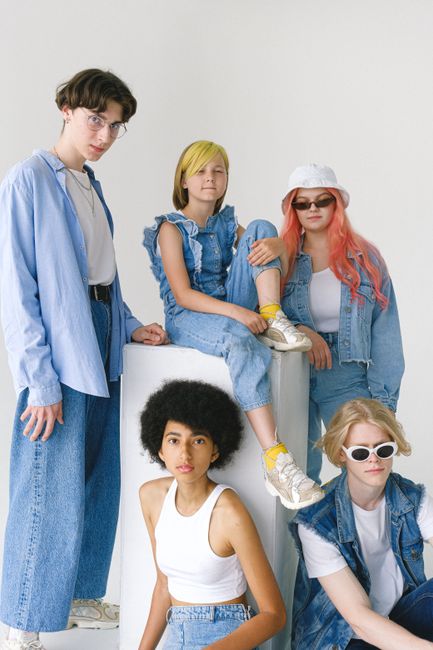
Rather than chasing the perfect shoes, the task is to ensure that the entire outfit appears purposeful when footwear is added. Footwear that suits the clothes can anchor a floaty dress, make relaxed trousers look more defined, or finish off a basic combination of jeans and knitwear. When footwear is poorly matched, it can send attention southwards; the problem is usually straightforward to remedy once the signs are clear. It is a topic closely linked to leather jackets, which comes up more than once below.
Treat the entire outfit as your starting point, not the shoes as a final addition. Once you have weighed up colour, shape, visual heaviness and the setting, select footwear that reinforces what they suggest. By making some basic checks, you can normally bring the selection down to a couple or so practical possibilities.
Start with weight and silhouette
Where clothes feel heavy, shoes need a certain solidity; lighter clothes, by contrast, can support a more delicate pair. Heavy wool trousers, a bulky knit and a long coat sit awkwardly with a dainty ballet flat; similarly, a slip dress can seem encumbered by a walking boot with weight to it. While not an absolute rule, it offers a sensible first principle if you are uncertain.
Pay attention to the hem's line too. With a cropped trouser, the ankle is on show, so a low-profile shoe or one with a neat opening tends to work well. When trousers are long and wide, pick a shoe substantial enough to show at the hem without being entirely hidden. When the hem just touches the ground, footwear should carry that length, not oppose it.
Weigh up destination and ground
Let the place come first in choosing shoes, ahead of colour or what is fashionable. A refined, comfortable and neat shoe suits a polished outfit for a formal lunch, whereas footwear with grip and support is needed for a weekend outfit made for walking. However attractive it may be, a fine shoe is seldom a good choice for a long day on uneven pavements. It is also worth checking custom leather jackets before you decide.
Bear in mind how the day will require you to move. When standing, stair-climbing or going in and out of doors is on the agenda, footwear should let you walk with ease. Even a carefully chosen outfit will seem less at ease if your shoes force you to take shorter steps.
Weigh shape against volume
Just as colour alters an outfit's mood, so too does the shape of the shoe. A simple outfit can be made more formal by a pointed toe, which adds sharpness; a rounded toe, by contrast, feels softer and less dressy. A chunky sole brings heft and a sporting feel, so it suits an outfit that already has structure or a casual looseness.
The ankle area deserves notice. If you are wearing a wide trouser or midi skirt, a shoe with a lower cut through the ankle can keep the look from feeling heavy. You can choose more freely when it comes to visually interesting footwear if the hem is short or the trousers are slim. Balance, not a set of regulations, is the aim.
Be purposeful with colour
It is often colour that clarifies how an outfit should come together. Exact matching between shoes and a bag or belt is unnecessary; nevertheless, echoing a shade elsewhere in the outfit makes the whole look cohere. Since the objective is agreement rather than sameness, permit one understated variation.
Working in similar tones
When footwear echoes the tone of a skirt or trousers, the resulting line appears longer and calmer. Dark shoes with dark trousers benefit especially from this approach, as do pale summer fabrics paired with sandals of a similar lightness. It creates a composed, polished impression that does not seem too calculated.
Contrast and highlights
A contrasting pair may become the focus of a look, yet it must feel connected to something else. Repeat a bolder shade in something small — a scarf, a stripe or jewellery — if you decide to wear it. If no such link exists, the footwear may read as an afterthought rather than a considered highlight.
Neutral base notes
The value of neutral shoes lies in the way they let other parts of the outfit do the talking. Many combinations can accommodate a black, dark navy, soft grey or mid-brown shoe, as long as the undertone feels at ease with the clothing. Warmer browns regularly complement earthy outfits with warmth, whereas cooler neutrals tend to work with cool greys and blues.
Suit materials to season and cloth
The surface quality of the shoe should feel compatible with that of the outfit. Knits and brushed cloth are softened by suede, just as tailored wool is neatly matched by smooth leather. With cotton, linen and casual summer wear, canvas and woven styles feel right; next to heavy formal outerwear, however, they can look out of place.
Weather is another factor, especially in a climate that changes readily. Wearing suede in wet weather is a practical error, while teaming a heavy boot with a light summer dress can seem obstinate rather than fashionable. Pick materials suited to the day as it actually is, rather than the day you had pictured.
Brief checks before departure
- Hem check: does the shoe create a tidy finish at the ankle?
- Colour: is the shoe linked to any other element of the outfit?
- Weight: does the footwear seem as solid as the garments above it?
- Look at movement — can you walk naturally rather than gripping or shuffling?
- Occasion: after an hour, will the shoes still feel appropriate?
- Look at the finish — are the footwear clean and in keeping with the material?
A small rotation you can rely on
Rather than searching for a decorative shoe or playing it entirely safe, look for the pair that brings the outfit together. Try everything on, walk a short distance and consider the complete picture. When footwear supports both the clothes and your movement, you have found the match. Use these points as a starting place for anything related to leather jackets.


Leave a reply